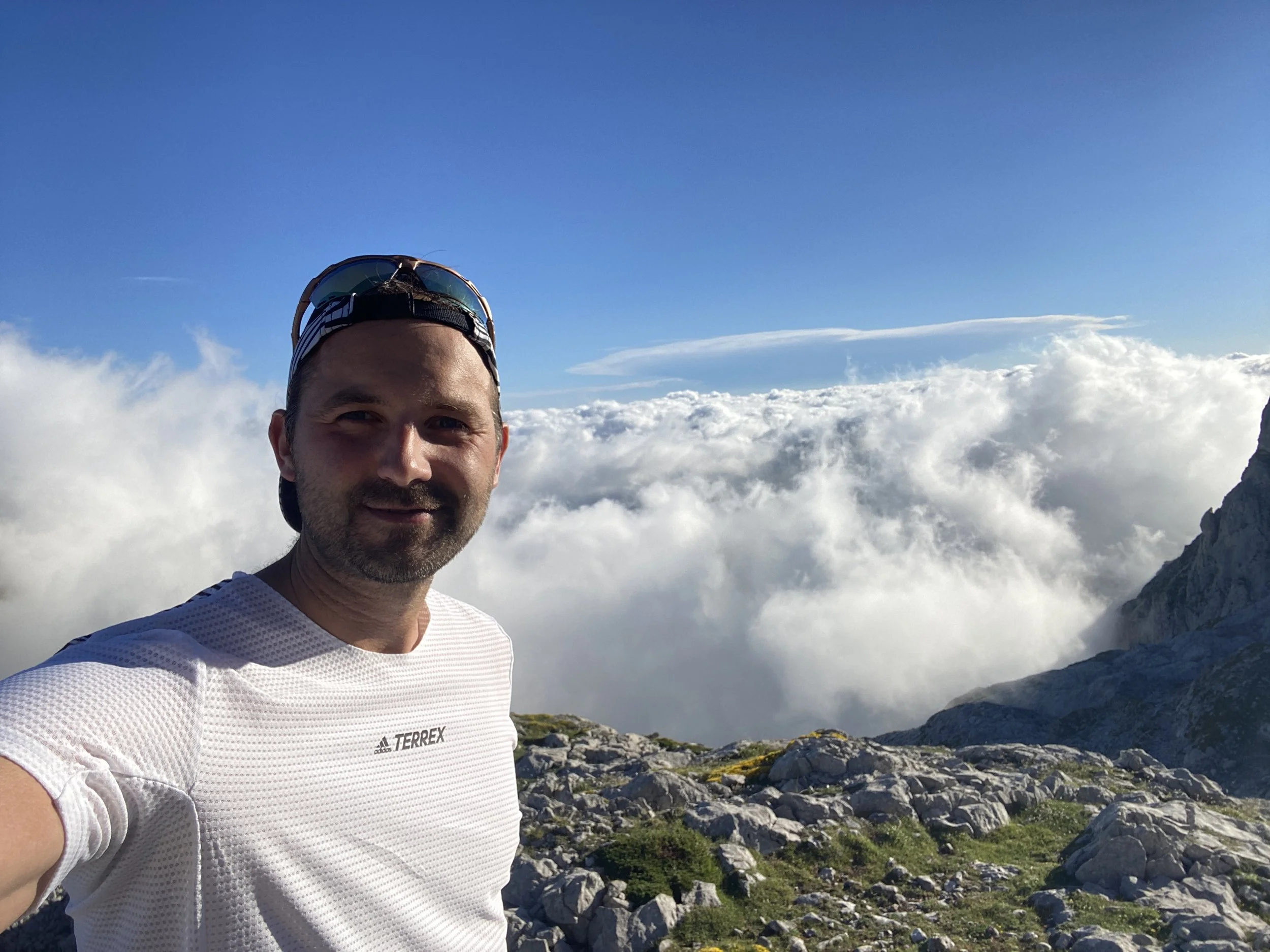
I started Pure Trails in 2019. Four trips in the first season — Annapurna, Mallorca, Albania, the Lake District. All four filled. I remember the feeling distinctly: there's something here. A real niche, a real appetite. People wanted this, and they hadn't had anywhere to find it.
Then 2020 arrived — and with it, the hardest decision I've had to make as a founder.
The phone call I didn't want to make
Spring 2020 — two weeks before MallorcaI started hearing things from former colleagues in the travel industry in early 2020 — quiet, serious conversations. This COVID situation was going to be significant. More than a blip. The tone was different to the usual industry noise. People who had been in travel for decades were genuinely concerned.
I held on as long as I could, trying to read the situation, not wanting to pull the trigger prematurely. Then I made the call — cancel the Mallorca trips. Two weeks before departure. Guests already packed. I spent a full day on the phone, explaining, apologising, refunding. It was exhausting and deflating in equal measure.
The following day, Balearic Airlines turned their flights back mid-air and closed the airspace.
I'd made the right decision. But at the time, it didn't feel like a victory. The travel industry was collapsing around us. Businesses I had respected for years were folding overnight. And here was Pure Trails — less than a year old, barely any runway, staring at a world where nobody could go anywhere and nobody knew for how long.
"The following day, Balearic Airlines turned their flights back mid-air and closed the airspace. I'd made the right call. But it didn't feel like it at the time."— Charlie Knights · Founder, Pure Trails Adventure
The moment I nearly quit
What running a business through a crisis actually feels likeI want to be honest about this, because the polished version of this story — founder weathers adversity, emerges stronger — isn't the whole picture. There was a period in 2020 where I seriously considered closing Pure Trails and focusing on something else.
It wasn't a dramatic moment of doubt. It was quieter than that. A gradual accumulation of uncertainty, watching the industry I'd bet on disappearing month by month, wondering whether the timing had simply been wrong. Whether I'd built something that the world wasn't ready for, or that I wasn't equipped to sustain through what was coming.
What stopped me wasn't a plan. It wasn't a financial model or a recovery strategy. It was something more basic than that — a conversation with myself about what I actually believed.
My passion for trails and adventure travel just didn't die. I kept thinking about the guests who'd come on those first trips. The person who'd never run a mountain before and found something in themselves they hadn't known was there. The strangers who became genuine friends by day three. The moment you crest a ridge and the view opens up and someone behind you just says nothing — because there's nothing adequate to say.
I couldn't walk away from that. And I didn't want to.
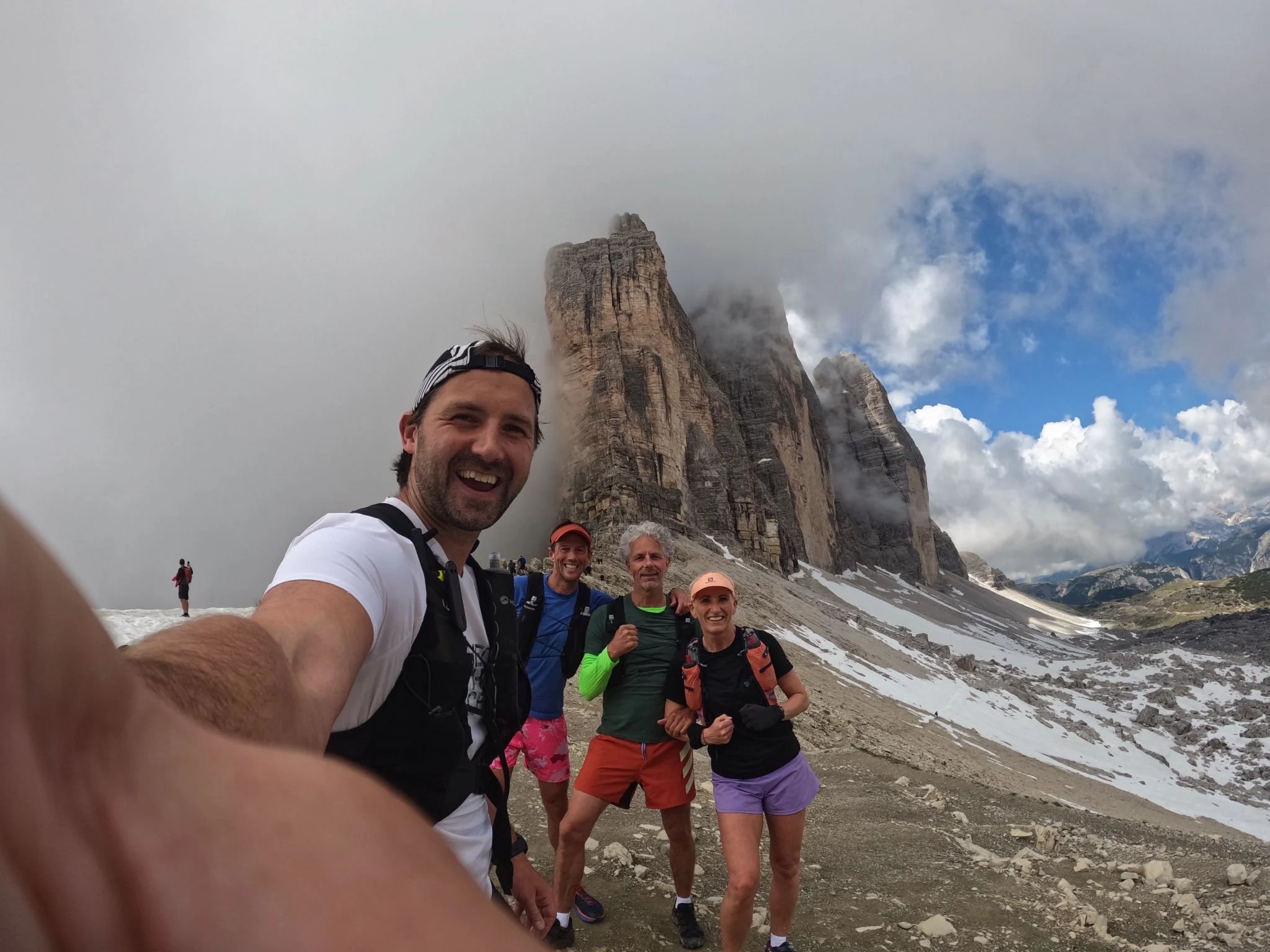
There is always something
What the history of travel actually tells usI started thinking about the bigger picture — the long arc of travel rather than the immediate crisis. And what I found was both sobering and genuinely reassuring.
The travel industry has always faced moments like this. Volcanic ash clouds that grounded flights across Europe for weeks. Wars that reshaped itineraries overnight. Economic crashes that froze discretionary spending. Natural disasters. Political upheaval. Pandemics. Right now, tensions in certain regions are affecting confidence and routing decisions for some operators. There is always something.
But here is what the history of travel also tells us: these moments are always temporary. The world does not stop wanting to be explored. People do not stop wanting to push themselves somewhere extraordinary — to feel genuinely alive in a way that the everyday doesn't quite reach. That appetite is permanent. The disruptions are not.
Ash clouds, recessions, wars, pandemics — there is always something. And every single time, the world opens again. The trails are still there. The mountains haven't moved. The people who stayed in the game are the ones still running them.
The businesses that survive — and the people who live fully — are the ones who stay in the game. Who don't take the easier option of quitting when everything around them is saying stop. Who understand that being here for the long haul means weathering the temporary moments that feel permanent when you're in the middle of them.
That's what I decided in 2020. Not heroically. Just quietly. We were going to stay in the game.
"The travel industry is one of the most resilient in human history. There is always something — ash clouds, recessions, wars, pandemics. There is always something. And it always passes."— Charlie Knights · Founder, Pure Trails Adventure
Where we are now
Seven years on from that first seasonPure Trails is now in its seventh year. Here's what staying in the game looks like:
Pure Trails launches. Four trips. All four fill. Something is here.
COVID. Cancellations. Nearly quit. Didn't.
Travel reopens. Guests return. The appetite was always there — it had just been waiting.
13 destinations. 500+ guests. Features in the Financial Times, Runner's World and National Geographic.
Our strongest season yet. Albania nearly full. Lofoten sold out. Amalfi running four departures for the first time. Mallorca is now one of our most popular adventures.
None of that happens if we'd closed in 2020. I'm glad we didn't.
Because I suspect some of you reading this have been filing something under "someday." A trip you've been thinking about. An adventure that keeps coming back. Something bigger than a half marathon and a medal. The 2026 season is here. The trails are waiting. Don't let it be another someday.
Download the Pure Trails Adventure Guide 2026
13 destinations · Trip overviews · What to expect · How to prepare